All posts by georgesinc

Housing Futures Exhibition & Seminar

VENUE: TOWN HALL FOYER (map)

17 – 21st September, 10am -5.30pm

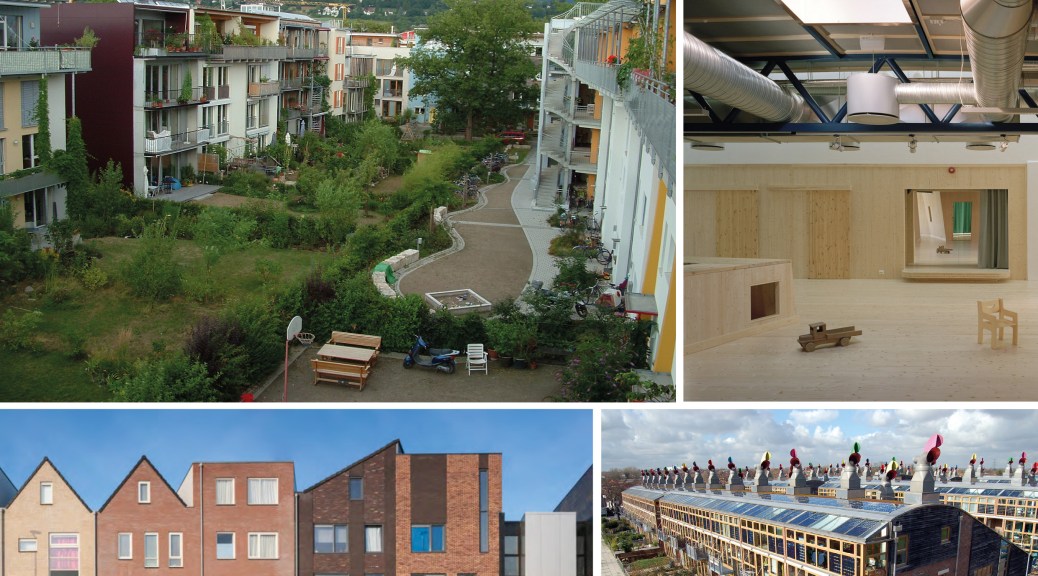
An exhibition presenting a broad spectrum of sustainable housing, from award winning mainstream schemes, to eco-districts, self-build and co-housing.

With a Seminar* on Sun 21st September, 1.30pm – 6.30pm

Featuring:

Pooran Desai, co-founder of BioRegional, the social enterprise behind One Planet Living and one of the originators of Britain’s first BedZED Zero Energy Eco-District.

Jeremy Till, Head of Central St Martins, on building design, flexibility and material scarcity.

Teva Hesse from the London office of CF Muller architects working with LewesPhoenixRising will talk with LPR about their early stage design plans.

David Knight, DK-CM Architects on alternative approaches to planning.

Richard Dollamore, Design Officer of the Southdowns National Park, will talk emerging SDNPA design policies and the SDNP’s intended approach to design guidance.

Sarah Wigglesworth, on community and self build projects Sarah’s practice is engaged with NASBA.

Kareem Dayes from the Rural Urban Society Synthesis Project will talk about this community led self build initiative.

Soren Nielsen, from VandKunsten, Copenhagen, on adaptable futures in housing.

Gareth Roberts from Sturgis Carbon Profiling, environmental footprinting and building greenwash – Sturgis Carbon Footprinting worked on the recent BREEAM ‘Outstanding’ certified World Wildlife Fund Living Planet HQ and are consultants for the Kings Cross regeneration scheme.

*Suggested donation of £5

Email makinglewes@outlook.com to reserve your place.


Making & Growing

This section of the MakingLewes site is about making and growing, the connections between the two, and their integration with buildings and the built environment.

You can find information on these pages about green roofs and rooftop urban agriculture and also currently less known approaches, for instance Zero Acreage and Building-Integrated Farming.

This whole aspect of the natural world, and particularly urban food production, integrated into the buildings and built fabric has been a fast developing field of activity in the last few years, so Making & Growing aims to document, reference and inspire through a set of wide-ranging examples of what’s going on out there.

A partial spur to this section is that Lewes, through organisations like CommonCause and TransitionTown Lewes, has been more directly involved in parts of this conversation than many towns of a comparable size and scale. Even though the town is relatively small, having been a pioneer of farmers’ markets, local produce and other food related initiatives, Lewes could grow this story, making next steps towards integrating leading edge urban agriculture and green infrastructure into both old and new parts of the town’s fabric, particularly in the various industrial and public buildings and public spaces. If Lewes is close to farmed, and produce growing land that doesn’t need to close down the potential for greening the town’s built fabric. And of course this doesn’t even begin the discussion about turning Tesco’s roof space into an organic urban food-growing laboratory…

We hope, therefore, you find this Making & Growing section nourishing food for thought and action.

Green walls and vertical gardening    

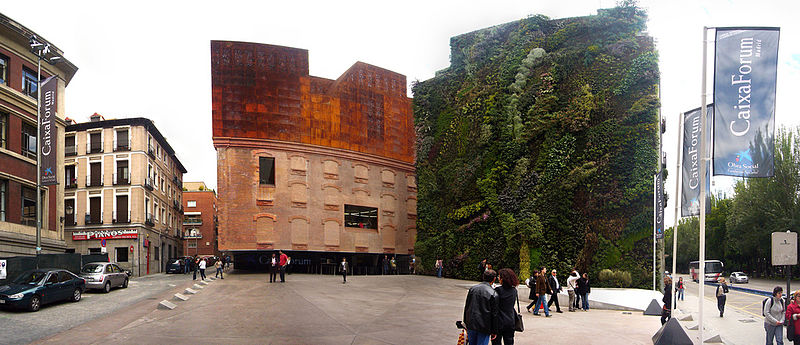
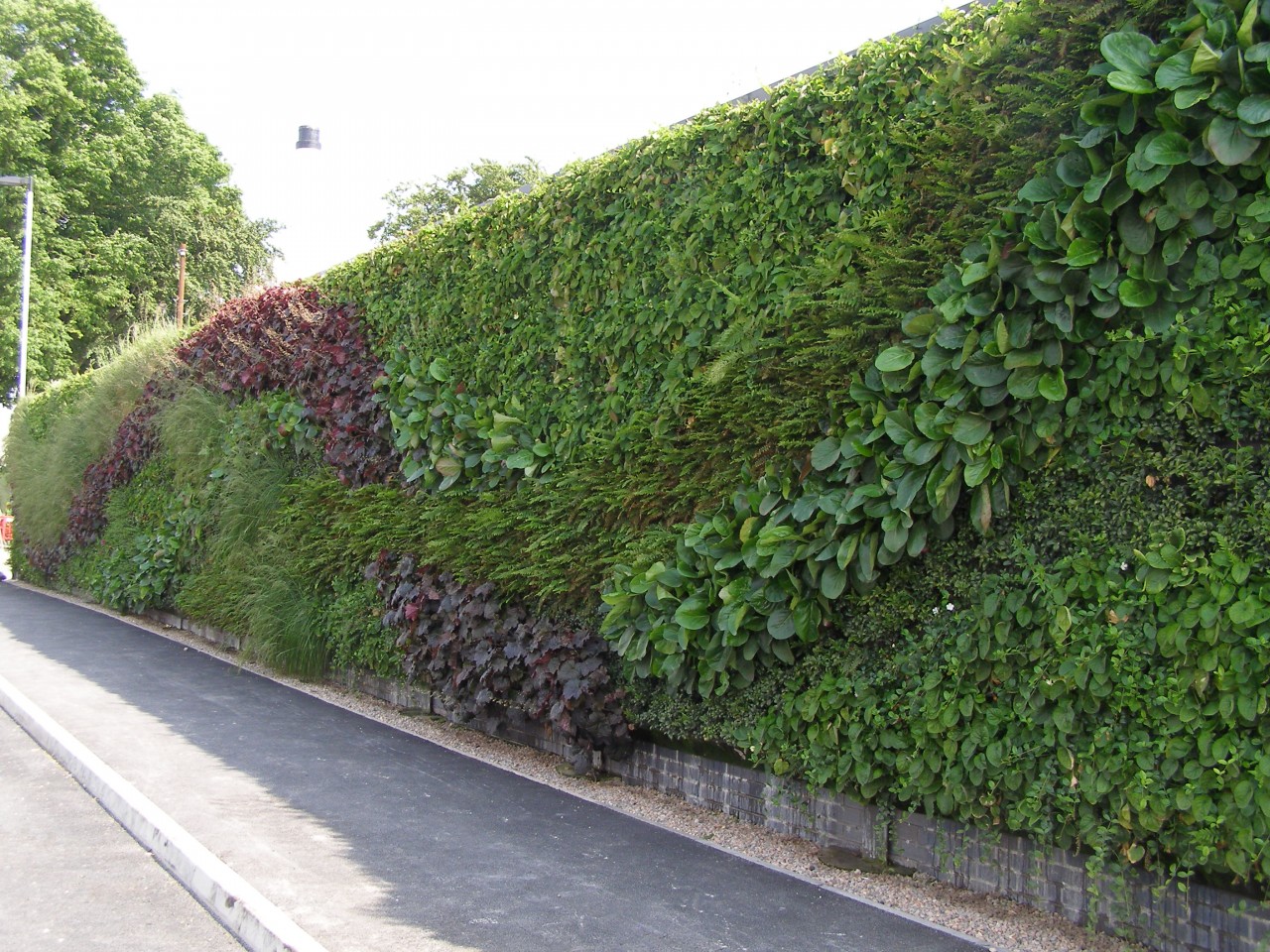
Alongside the horizontal green roof, in recent years the vertical axis, aka green walls have been becoming more popular across the developed world. They are as described, walls covered by vegetation with an earth or soil component for plants to grow in, generally, though not always, with a water system integrated into the wall. Examples from around the world show how green walls can be found at all scales, from the small fence wall to the very large, growing on the side of corporate buildings.   Green walls are a popular alternative in cities where parks, and other green spaces are not available. They serve a variety of functions, including reducing heat in cities and the urban fabric; reducing rain water or grey water run-off, since plants help to purify water; urban gardening, and also, of course, as literal gardens, tended for the same gardenly reasons as their horizontal cousins.

Musee du Quai Branly, Paris

One of the most famous (and iconic) green walls grows on the roadside face of the Musee du quai Branly, in Paris.

Completed in 2005, the 40 feet tall by 650 foot long vertical garden highlights the work of its creator, Patrick Blanc.  Designed as a living tapestry to reflect the diversity of world cultures housed by the museum, the eye catching green wall, just next to the Eiffel Tower, is arguably the best-known green wall in Europe.

The ACROS Fukuoka Prefectural International Hall

The Argentinian architect Emilio Ambasz designed the striking green walled Fukuoka conference hall, with one of the largest green walls so far completed. Further It runs down the entire south sloping building face, doubling the size of the existing park. Different terraced floors of the green wall provide areas for meditation, relaxation and near its ground level, a series of terraced water pools.

MAKING PLACES SUMMER 2014!

This second series expands and extends MakingPlaces’s first talks series from leading figures in the fields of sustainability and architecture into waste, natural and local materials, making, remaking and re-use.

Flimwell Woodland Enterprise Centre: David Saunders & Steve Johnson – July 3rd, 7.30 – Elephant & Castle*

For the last fifteen years the Woodland Enterprise Centre at Flimwell has pioneered the use of small-diameter coppice and thinnings from under-managed woods in the south-east as construction materials, including sweet chestnut, Douglas fir and larch. David Saunders, forester and director of the Woodland Enterprise Centre, will talk about developing the use of these local resources. Steve Johnson, architect, will present Flimwell’s locally-grown timber workshop buildings, including a new permaculture restaurant.

The talk takes place in the upstairs events room of the pub (map here). Drinks available at the bar, suggested donation £3.00.

Coming Up……..

Remakery_logo_261111

The Remakery – Remaking Brixton: Hannah Lewis & Alisdair Dixon – July 10th, 7.00pm – Elephant & Castle

For information on all three talks download the pdf makingplaces.summer2014poster